Cybersecurity Awareness

What Is
Security?
An Illusion.

Cyberbullying is not just a digital problem — it's a human one. Understanding it is the first step to defeating it.

37%
of young people have experienced cyberbullying, many multiple times
Victims are twice as likely to suffer from depression and anxiety
1 in 5
Young people in India report online harassment affecting their mental health

A Novel Deep Learning Model to Identify Cyberbullying

A government-funded research initiative exploring the intersection of artificial intelligence and mental health — specifically targeting the detection and impact of cyberbullying among Indian youth.

🏛️ Grant No. DST/CSRI/2021/70
Principal Investigator
Madhulika Sahoo
Co-Principal Investigator
Sibi Chakkaravarthy Sethuraman
Junior Research Fellow
Dr. S. Anitha
Research Associate
Anuradha

Its Impact on Mental Health of the Youth in India

The rapid growth of digital platforms has created new vectors for harassment. This research uses deep learning to automatically identify cyberbullying patterns, enabling faster intervention and support for victims.

With millions of young Indians active on social media, the urgency of building robust detection systems has never been greater. Our model processes text, images, and behavioral signals to flag harmful content in real time.

Explore the Impact →

Cyberbullying:
More Than
Just Words

The emotional toll of online harassment is real, lasting, and deeply damaging. Recognizing the signs enables early intervention.

🧠

Psychological Damage

Victims suffer from heightened anxiety, depression, and post-traumatic stress. Online harassment follows victims home, making escape feel impossible.

Mental Health
📚

Academic Decline

Students experiencing cyberbullying show measurable drops in academic performance, school attendance, and long-term educational attainment.

Education
🤝

Social Isolation

Repeated online abuse erodes trust and confidence, leading victims to withdraw from social activities, friendships, and community participation.

Social Impact

The Many Faces of Cyberbullying

Understanding tactics used is essential. Cyberbullying takes many forms — recognize them to protect yourself and others.

01

Harassment & Threats

Repeated sending of offensive or threatening messages

02

Cyberstalking

Monitoring and following someone's online activity obsessively

03

Doxxing

Publishing private personal information without consent

04

Impersonation

Creating fake profiles to damage someone's reputation

05

Exclusion & Shaming

Deliberately ostracizing or publicly humiliating someone

"Know the Signs, Protect Yourself and Others"
— CyberGuard Awareness Initiative
Emotional withdrawalBecoming unusually quiet or distant after using devices
Avoiding devicesSuddenly refusing to use phone or computer
Sleep disturbancesNightmares, insomnia, or excessive sleeping
Mood swingsUnexplained anger, sadness or frustration
Declining gradesSudden drop in school performance or attendance
Loss of interestWithdrawal from hobbies and social activities

Support
Is Available

Taking the first step toward healing requires courage — but you don't have to face this alone. Immediate help, professional guidance, and community support are within reach.

1

Document Everything

Screenshot and save all evidence of bullying before blocking the offender.

2

Tell a Trusted Adult

Speak to a parent, teacher, counselor, or any trusted person in your life.

3

Report on the Platform

Use built-in reporting tools on the platform where the bullying occurred.

4

Seek Professional Help

A counselor or therapist can provide structured support for emotional recovery.

Immediate Resources

📞
iCall Helpline (India) 9152987821 — Free psychological support
💬
Vandrevala Foundation 1860-2662-345 — 24/7 mental health support
🌐
National Cybercrime Portal cybercrime.gov.in — Report online offences
🏫
School Counseling Connect with your institution's student support cell

How Can You
Stay Safe?

Simple, consistent habits dramatically reduce your exposure to online threats and harassment.

01

Update Your Software Regularly

Enable automatic updates for your OS, apps, and browser. Security patches close vulnerabilities attackers exploit.

02

Think Before You Click

Pause before clicking links or opening attachments, even from known senders. Verify suspicious requests through a different channel.

03

Guard Your Personal Information

Limit what you share publicly online. Oversharing enables stalkers, impersonators, and targeted harassment campaigns.

04

Use Strong, Unique Passwords

Use a password manager to generate complex passwords. Enable two-factor authentication on all important accounts.

05

Audit Your Privacy Settings

Review privacy settings on every platform. Restrict who can message you, view your content, or tag you in posts.

06

Block & Report, Don't Engage

Never argue with a bully online. Engaging amplifies conflict. Block immediately, report, and preserve evidence.

Workshop Chronicles

Empowering students and educators across India with knowledge, tools, and strategies to combat cyberbullying and build a safer digital environment.

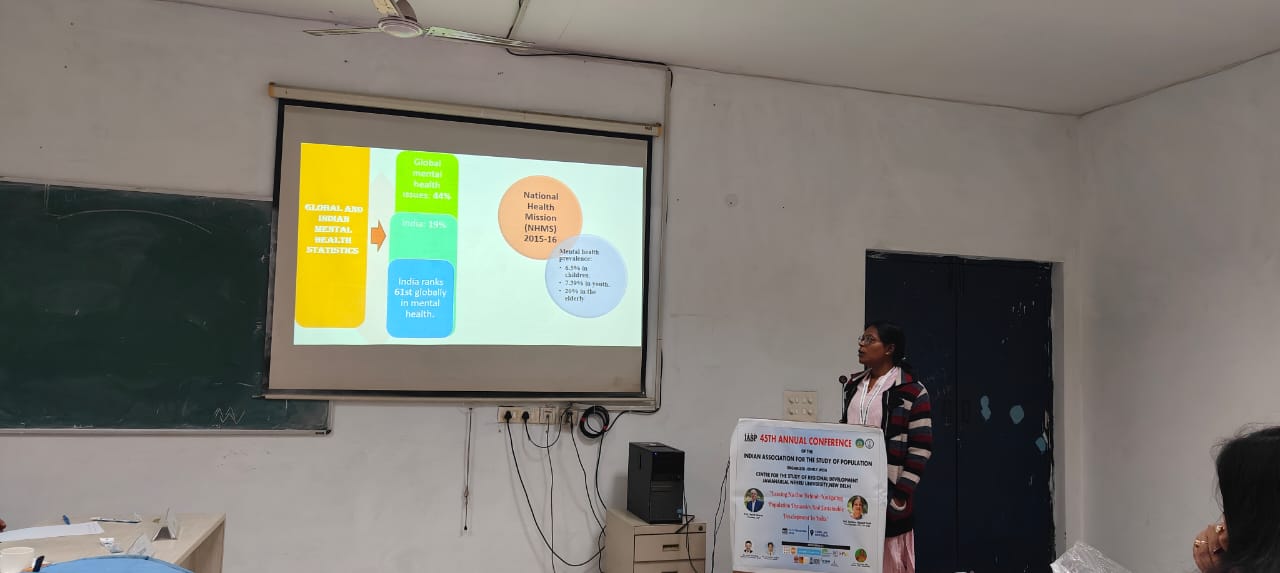
2024
April 26

Rani Laxibai College, Delhi

A deep-dive awareness session conducted for the student body of Rani Laxibai College. The workshop focused on the bridge between digital behavior and psychological well-being in urban educational settings.

  • Identification of sophisticated social engineering tactics.
  • Legal recourse and reporting mechanisms in the NCR region.
  • Psychological impact of prolonged online harassment.
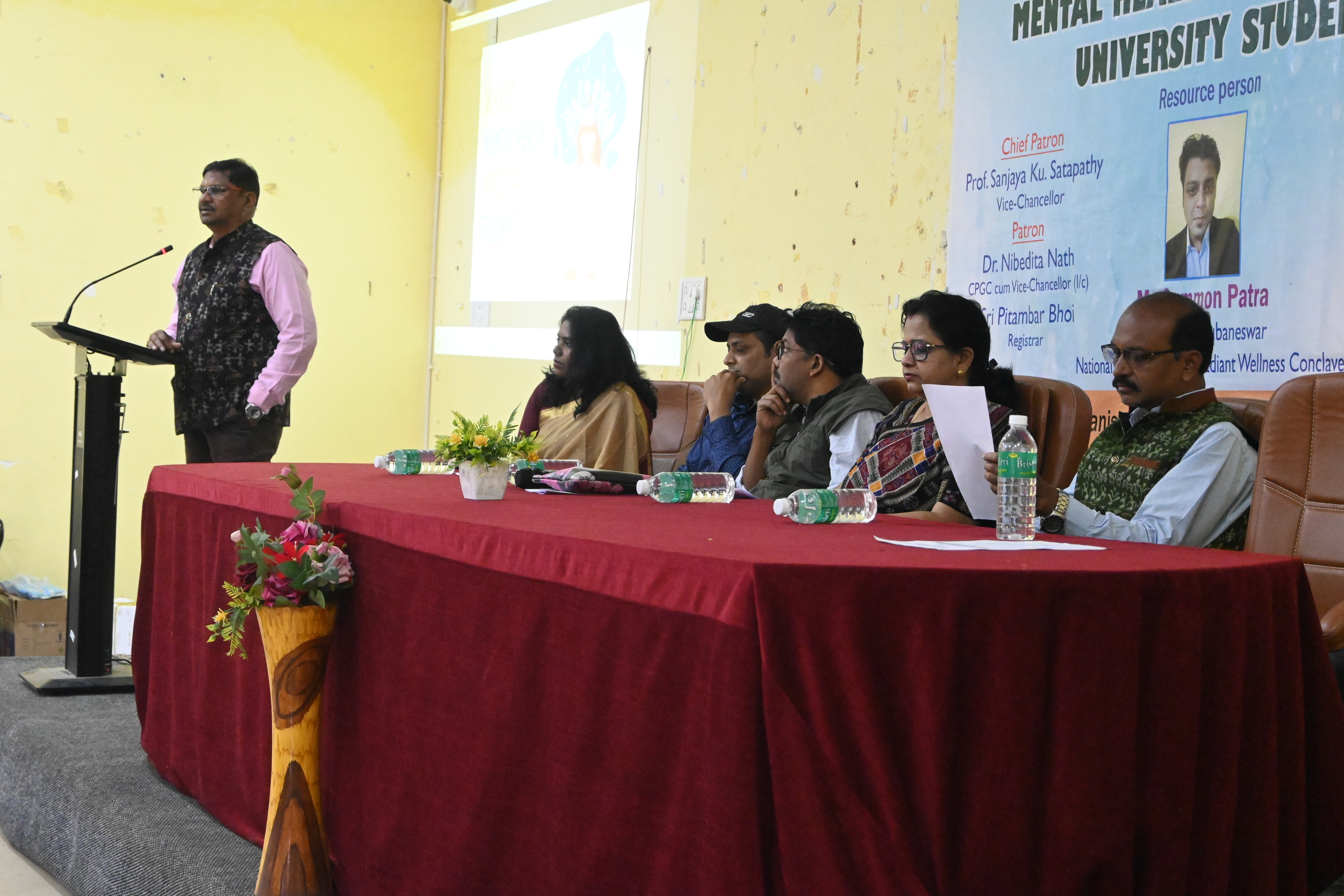
2024
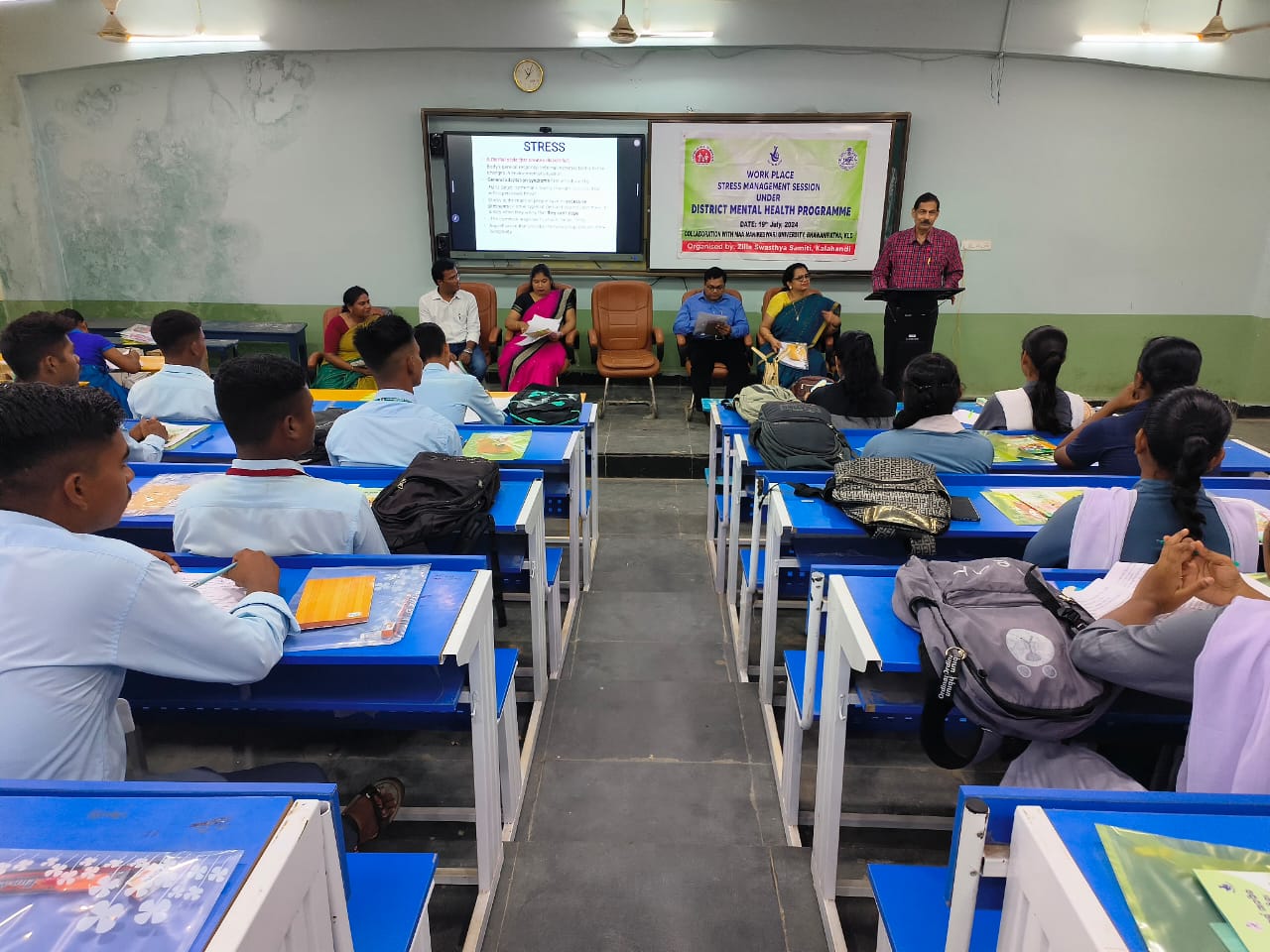
July 19

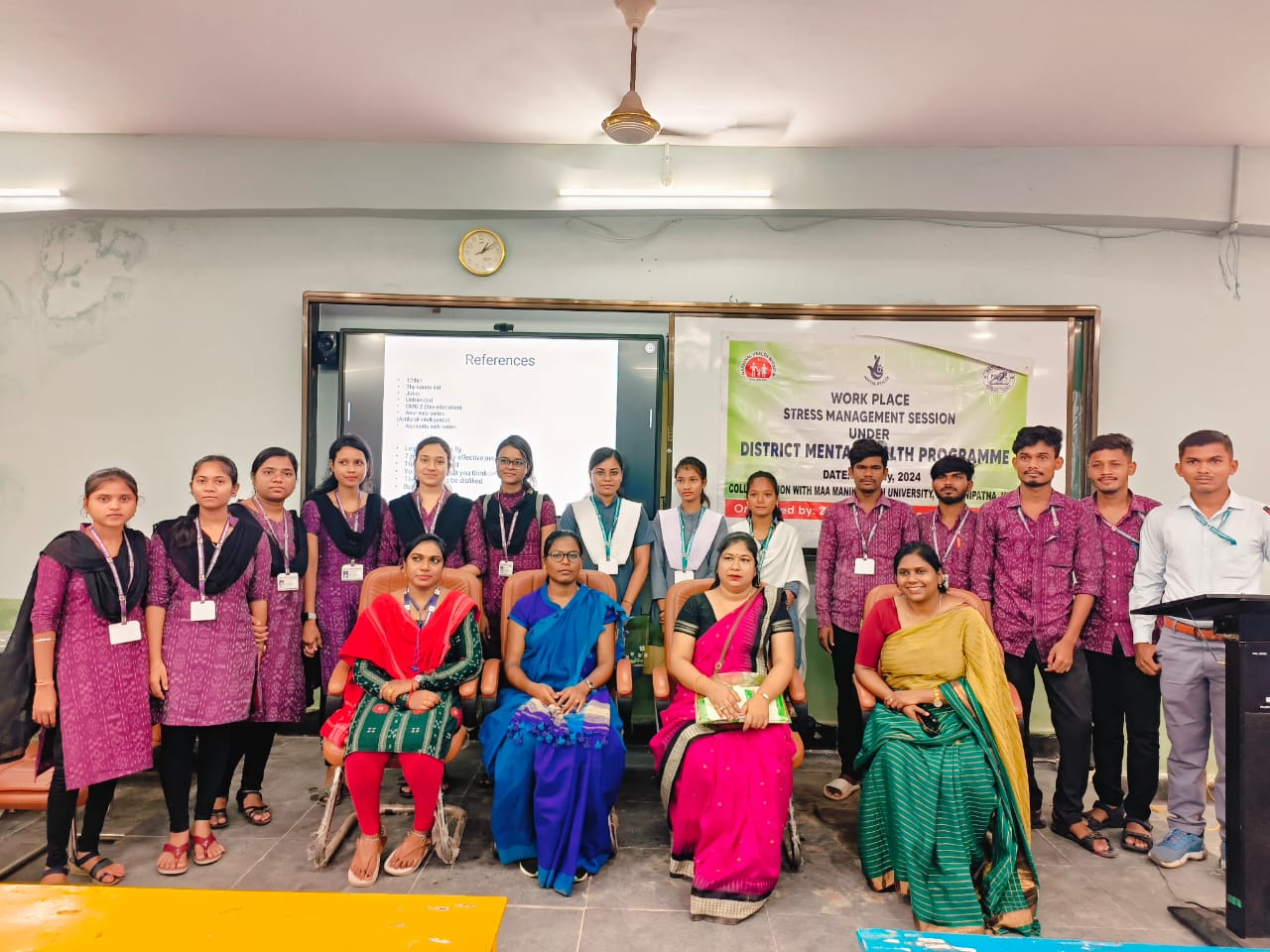
Maa Manikeswari University

A foundational outreach program designed to sensitize first-generation digital users about the risks of the unsecured web. This session marked a key milestone in our regional awareness campaign.

  • Foundations of digital hygiene and password security.
  • Community-based support systems for cyber-bullying victims.
  • Interactive Q&A on private data stewardship.
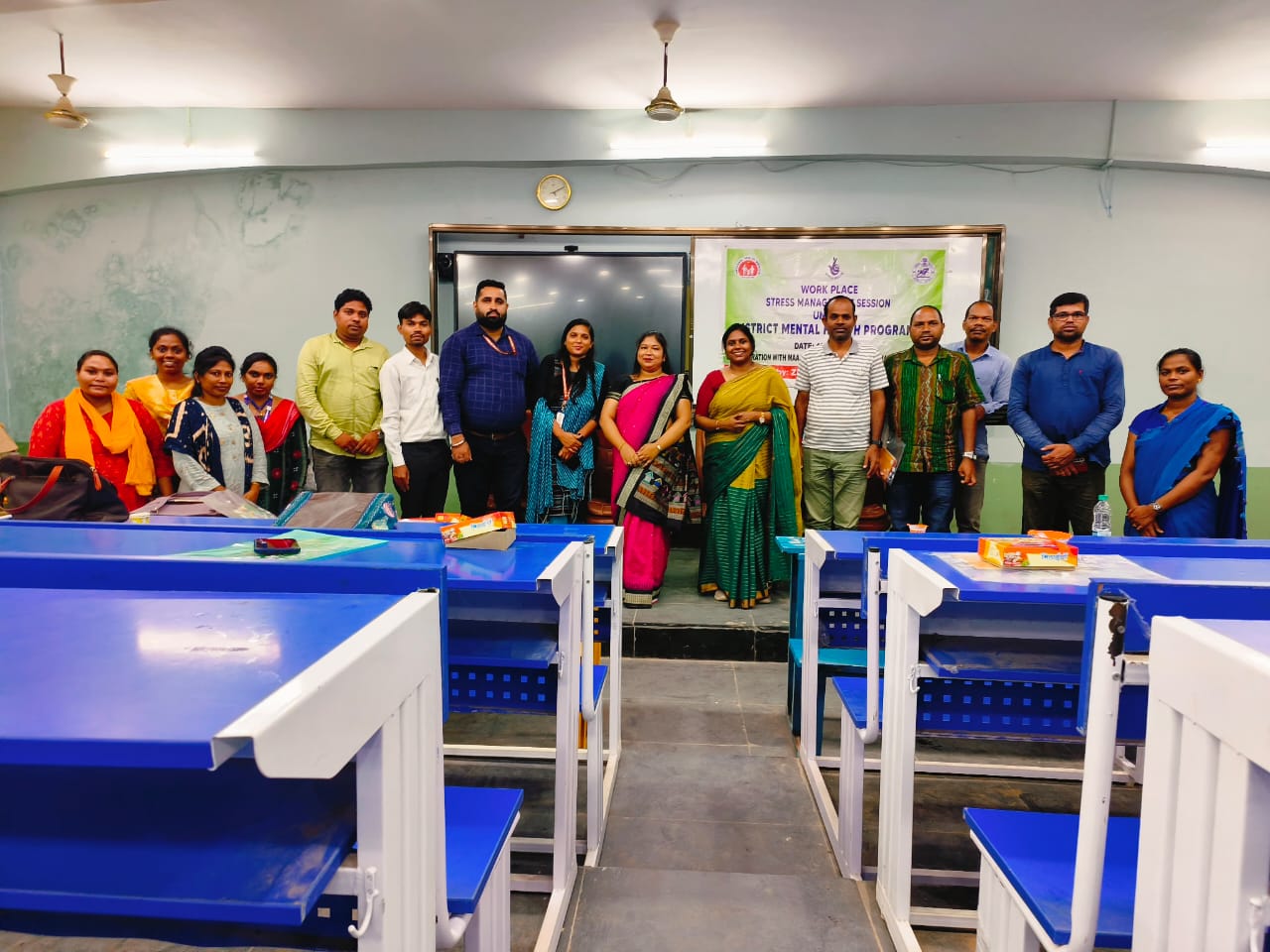
2024
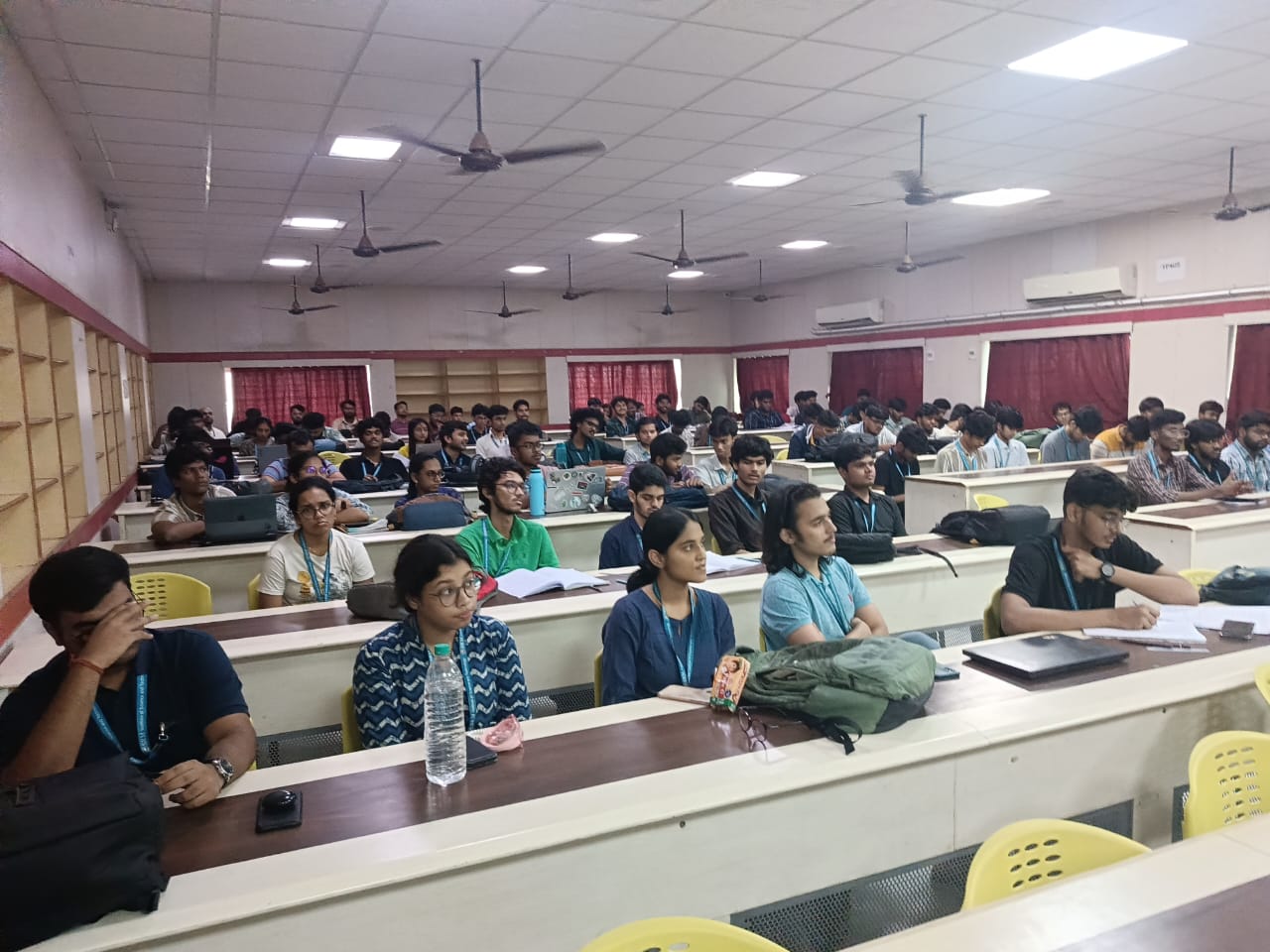
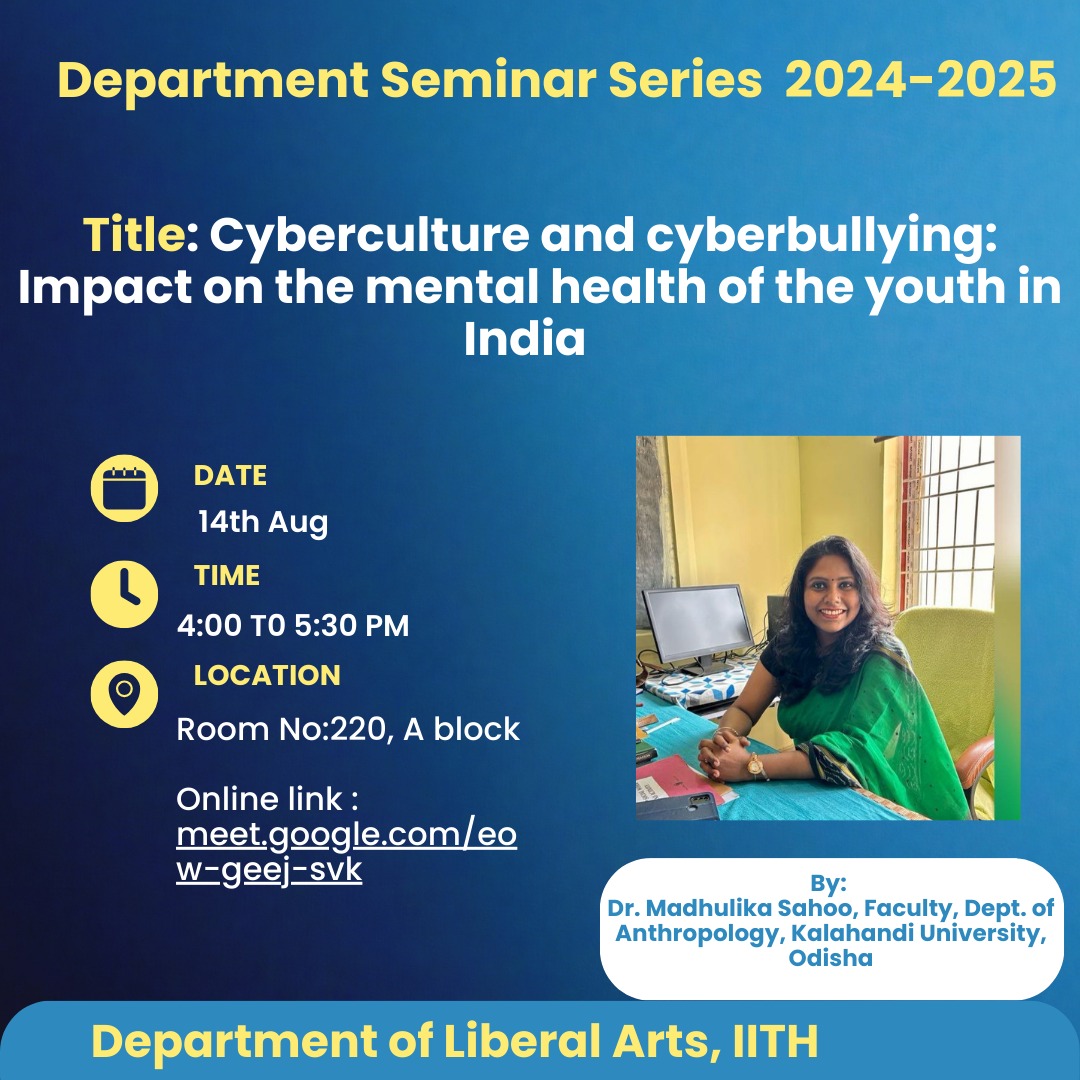
August 14
🔬

IIT Hyderabad

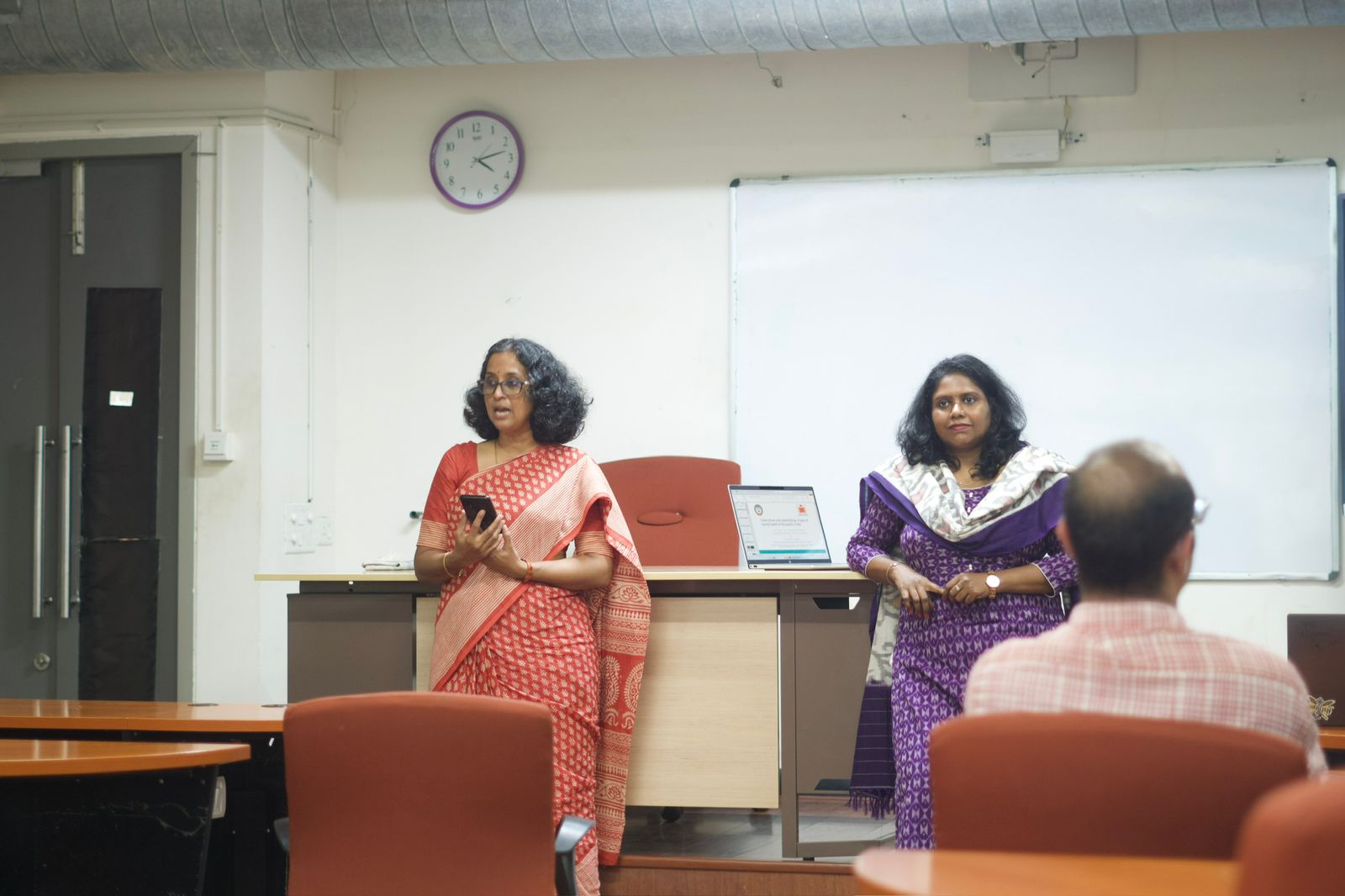
A technical seminar presented at IIT Hyderabad, exploring the intersection of AI-driven threat detection and human-centric security. The discussion engaged with engineering students on building safer platforms.

  • Architecting safety-first social media algorithms.
  • Machine Learning models for real-time toxicity detection.
  • Ethical considerations in automated content moderation.
2024
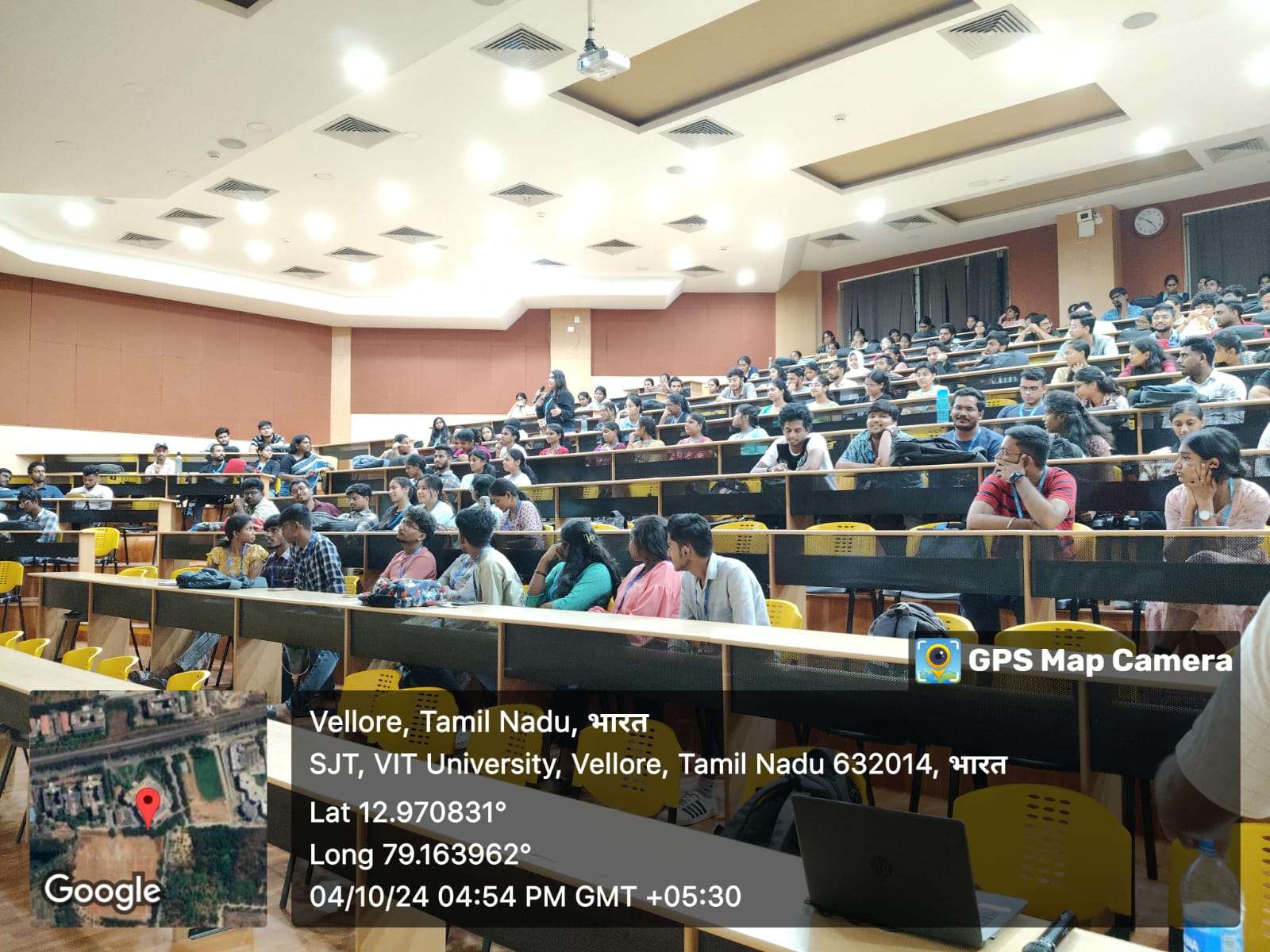
October 04

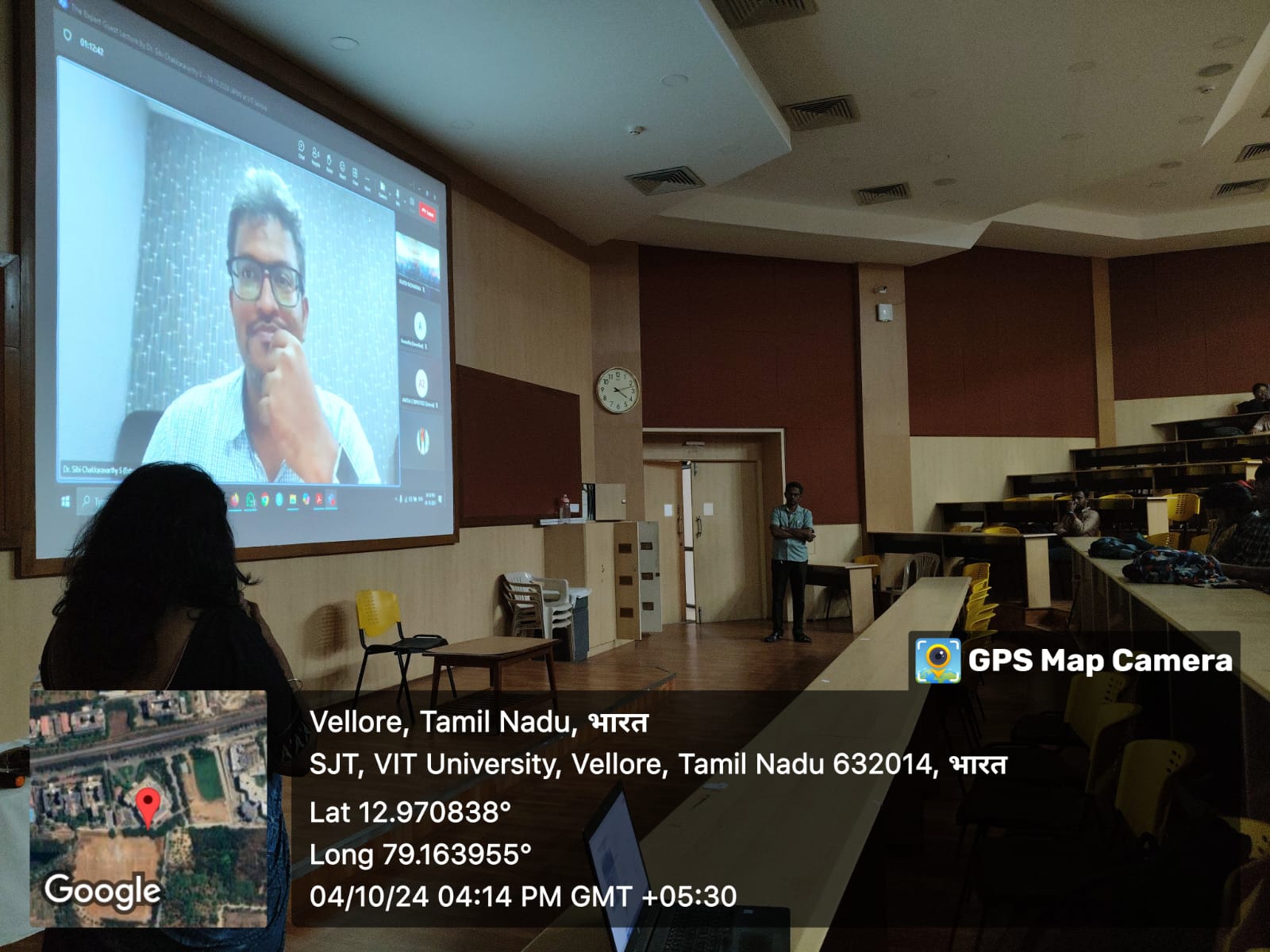
VIT, Vellore

A large-scale awareness drive at VIT Vellore, engaging thousands of tech-savvy students. The session emphasized the role of youth as digital first-responders and ethical bystanders.

  • Empowering bystanders for active digital intervention.
  • Digital footprint management for future professionals.
  • Collaborative strategies for campus-wide digital safety.
2024
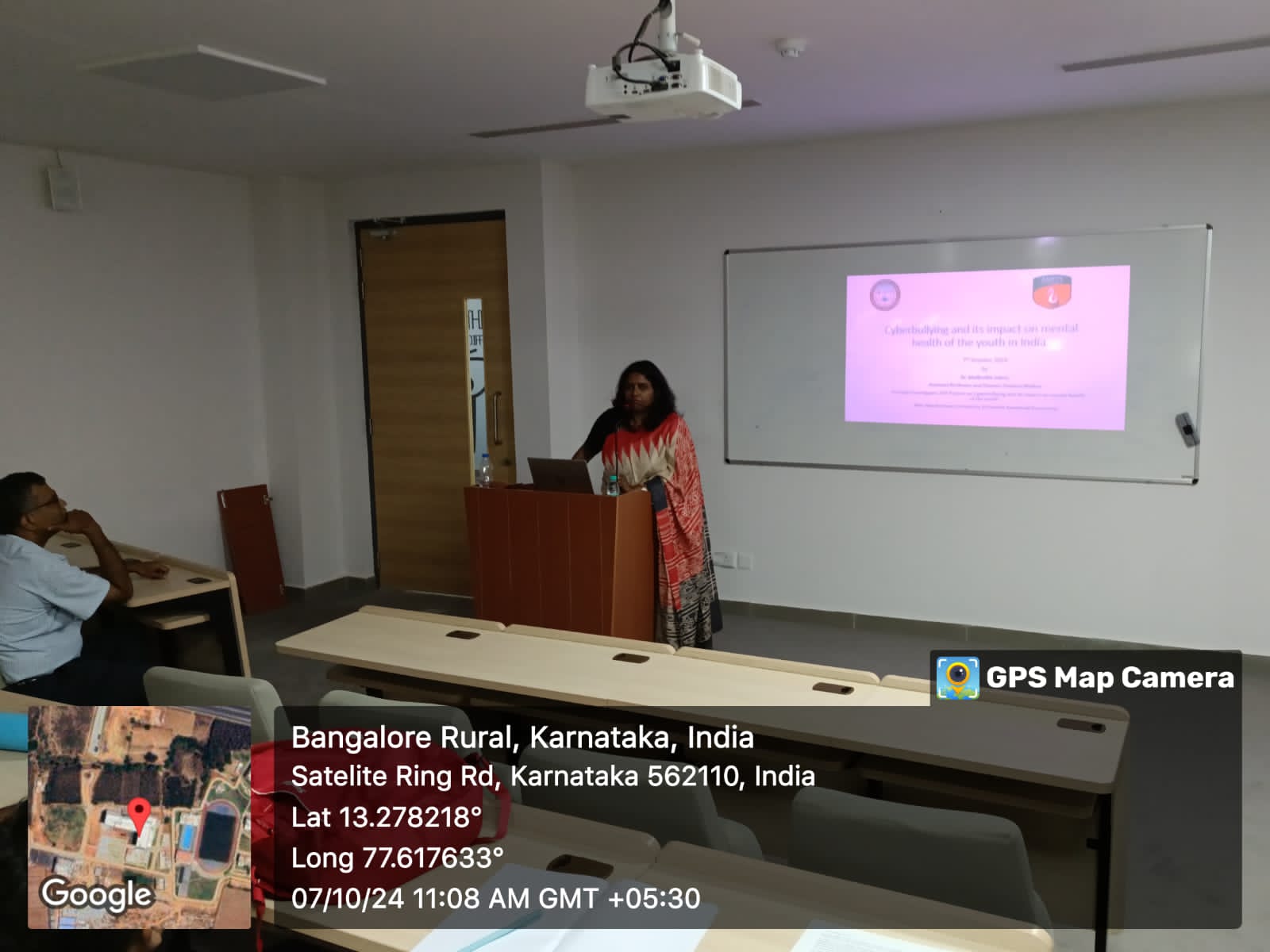
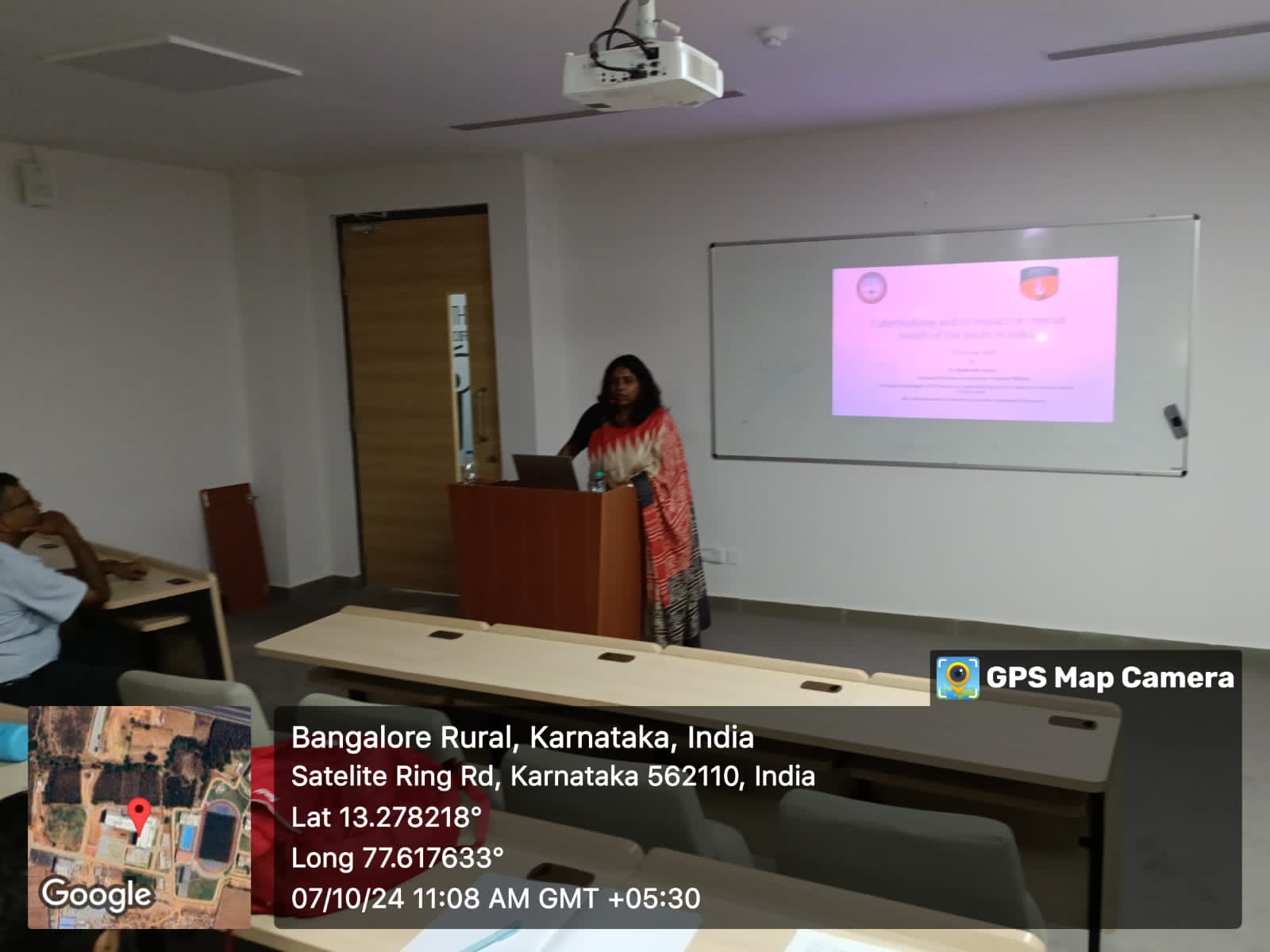
October 07

Amity University

This interactive workshop focused on the legal framework surrounding cyber-offenses in India. We discussed recent case studies to illustrate how digital evidence is handled and protected.

  • Understanding the IT Act and Cybercrime reporting.
  • Preserving digital evidence for legal validation.
  • Psychological recovery and trauma-informed support.
2024
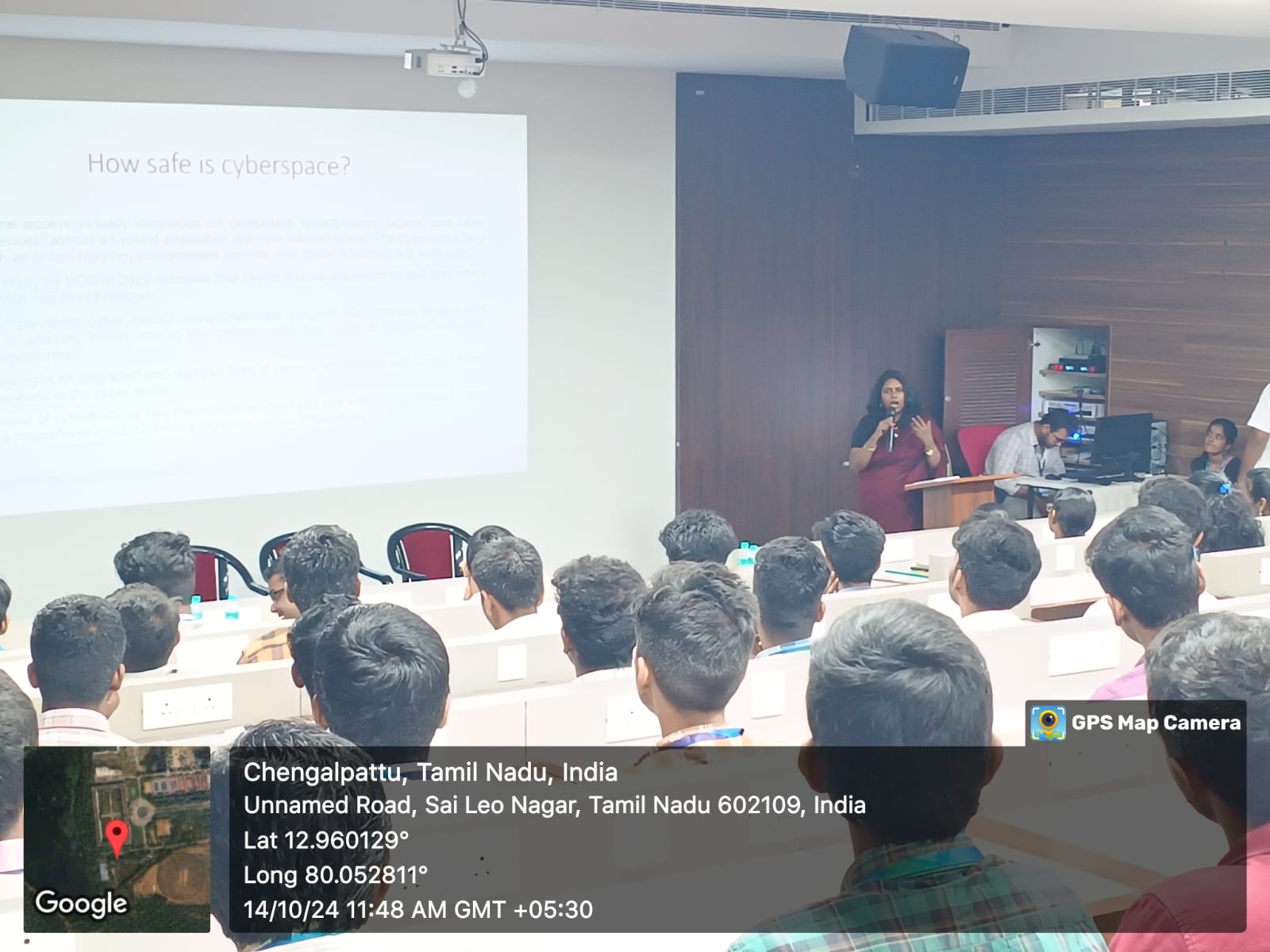
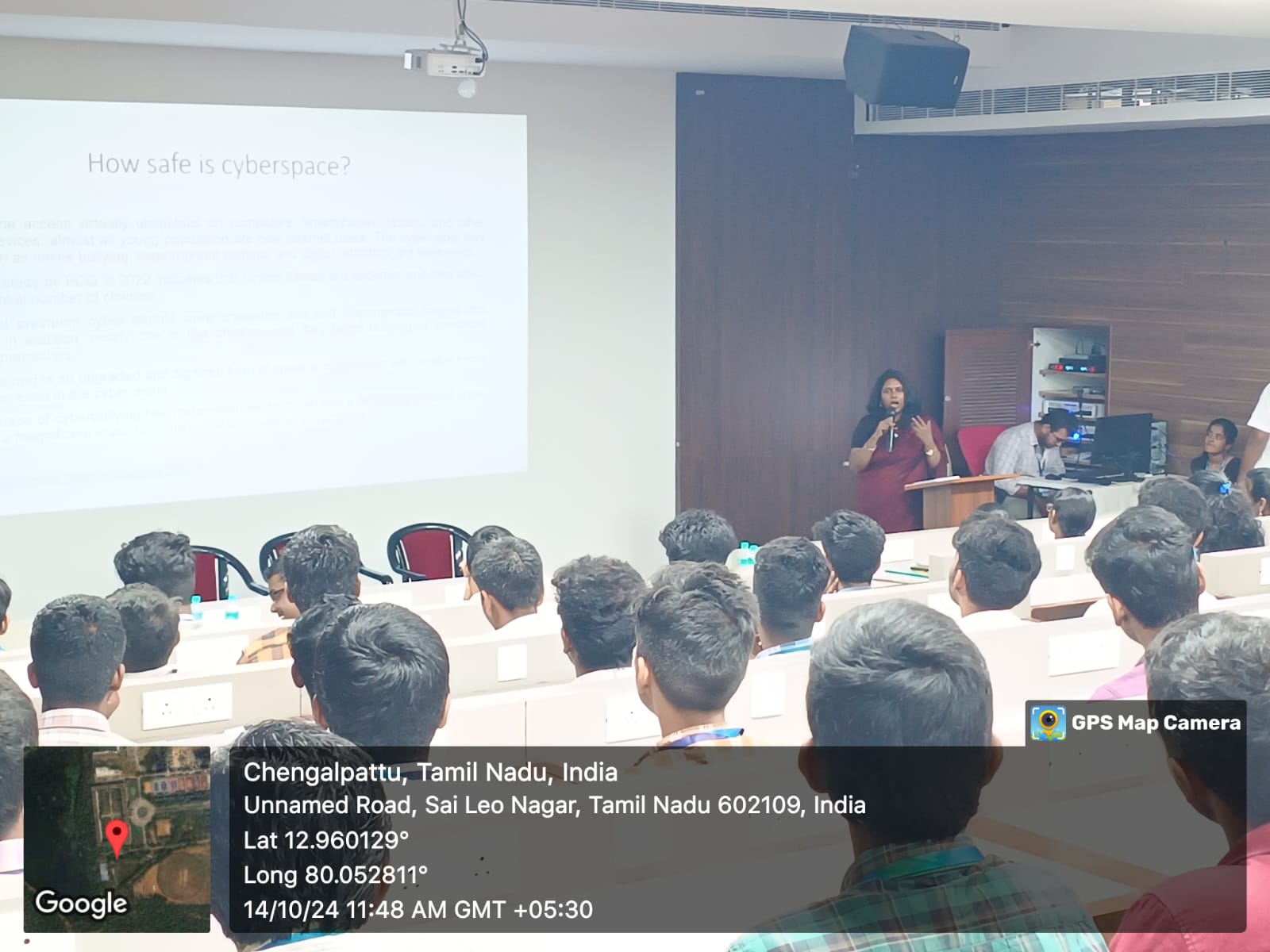
October 14

SAIRAM Institutions

Empowering the next generation of educators and students with proactive strategies. This event focused on creating long-term institutional policies for digital kindness and safety.

  • Developing institutional digital safety protocols.
  • Teacher-student collaboration in identifying red flags.
  • Workshop on peer-led counseling techniques.
2024
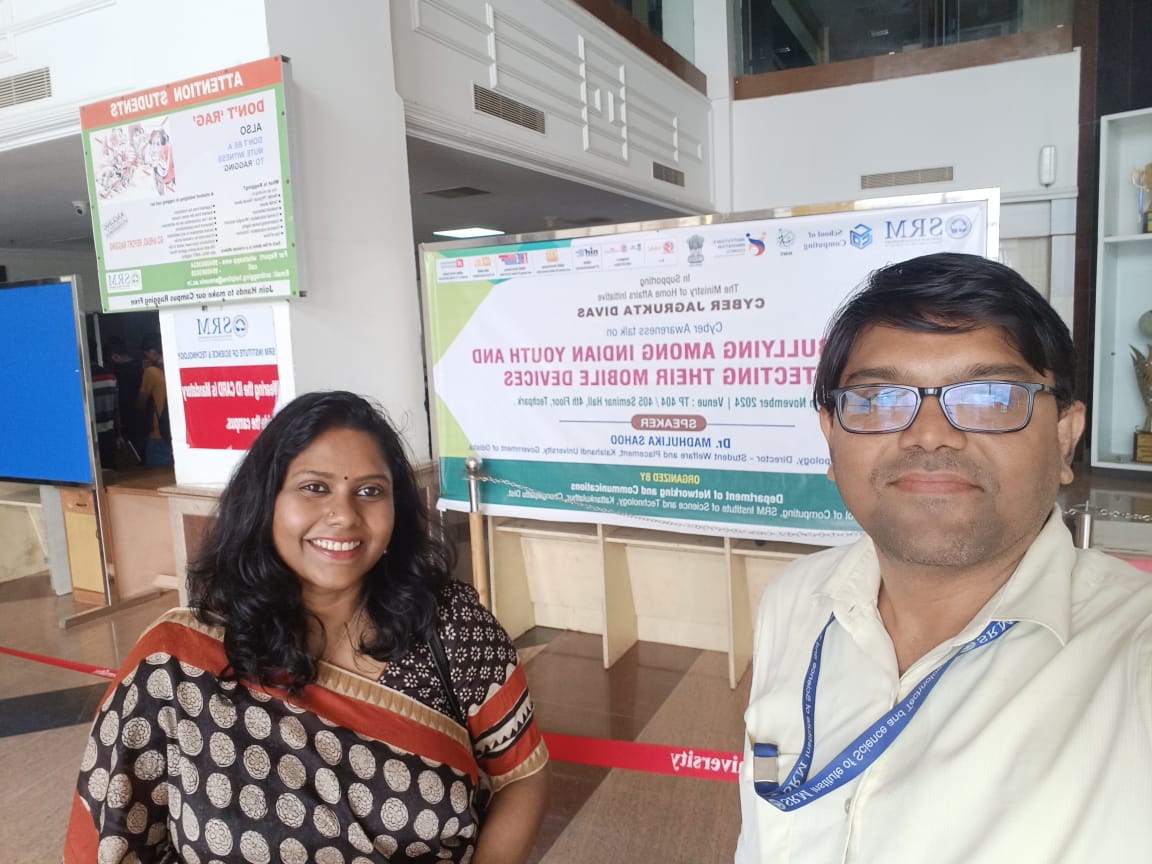
November 07

SRM University, Chennai

An impactful session centered on the psychology of online grooming and social media influence. The workshop encouraged students to practice mindful digital citizenship.

  • Recognizing social media manipulation and grooming.
  • The ethics of digital sharing and privacy control.
  • Roleplay: Defusing online conflict and bullying.
2024
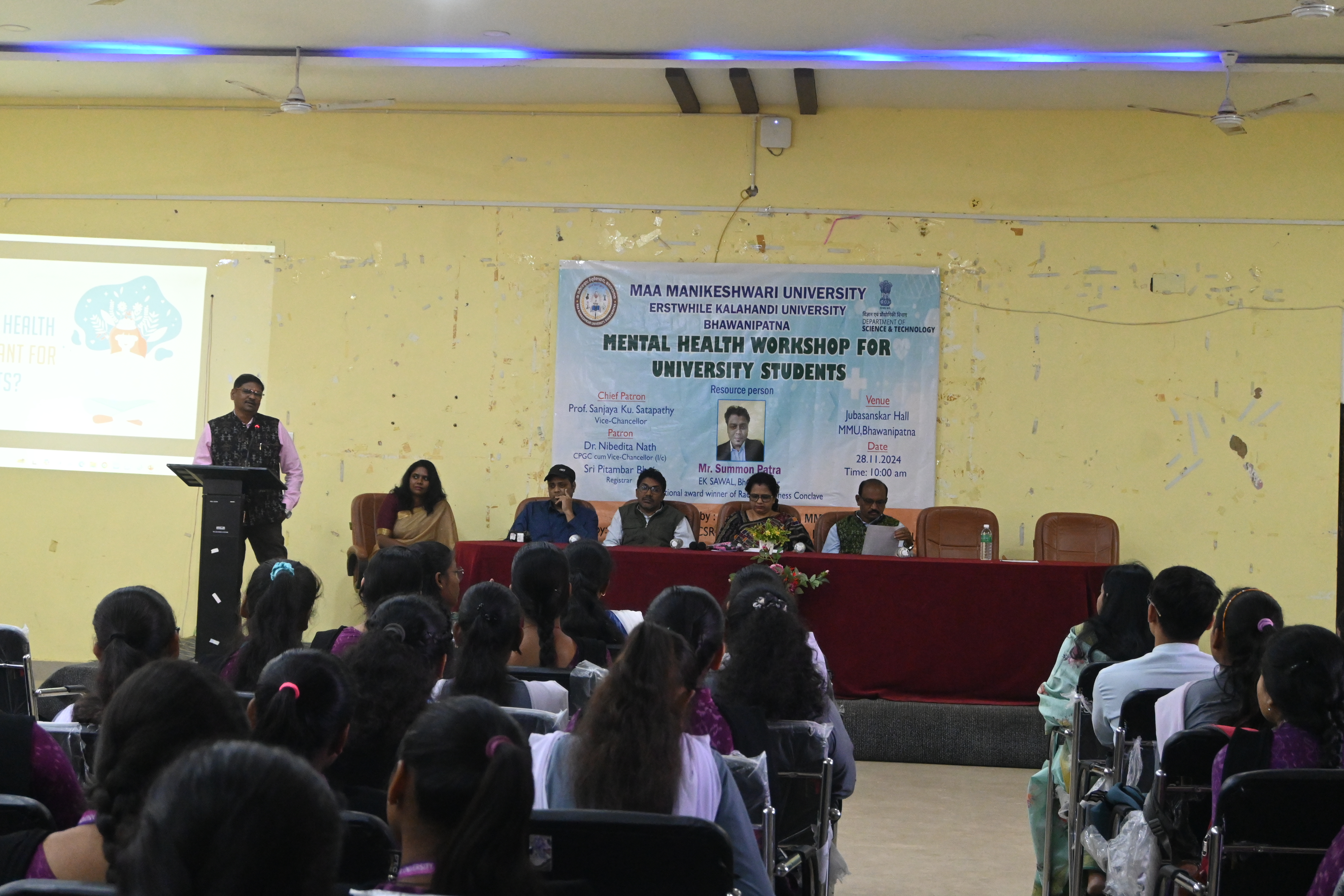
November 28

Maa Manikeswari University

A specialized follow-up session focused on regional data collection and local awareness campaigns. We worked closely with the student community to identify unique localized threats.

  • Regional trends in cyber-harassment and abuse.
  • Training local student ambassadors for outreach.
  • Analyzing survey data for targeted intervention.
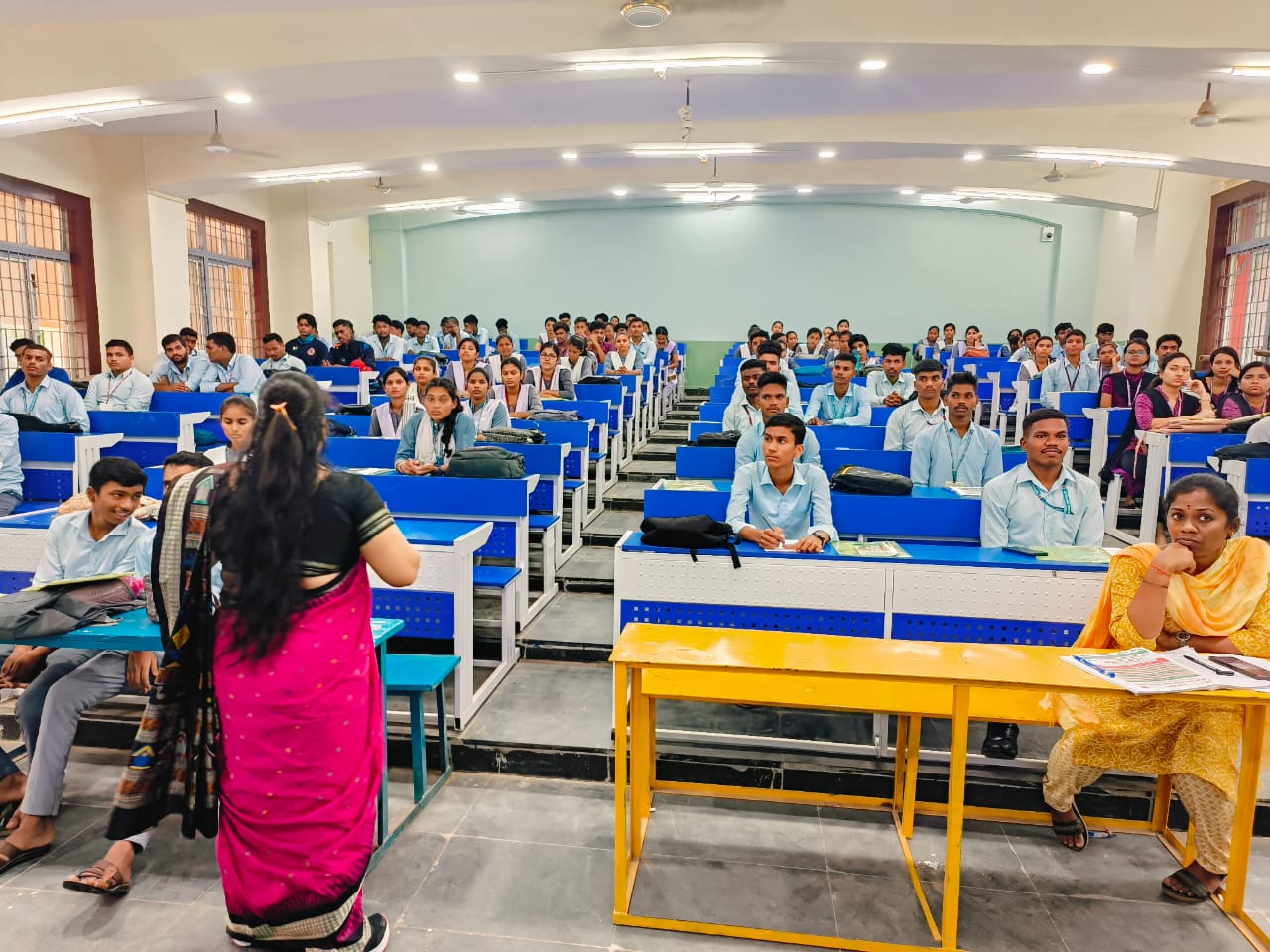
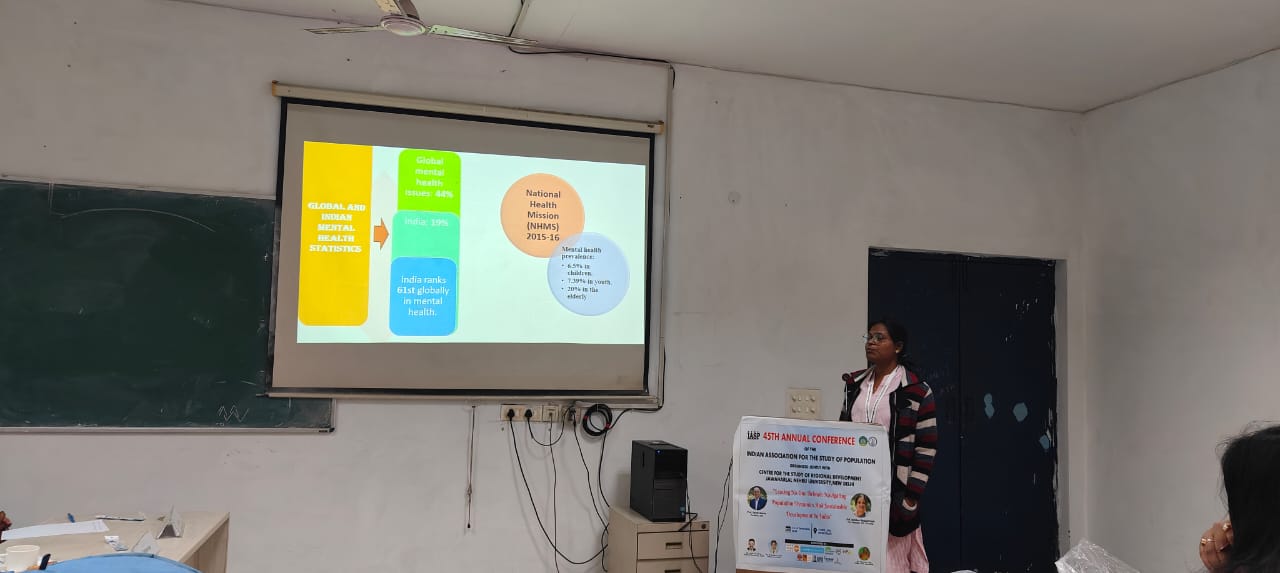
2024
December 14

IASP, JNU, Delhi

An expert talk at JNU exploring the sociological dimensions of cyber-harassment. The session analyzed how power dynamics shift in digital spaces and impact marginalized voices.

  • Sociology of online behavior and group dynamics.
  • Impact of cyberbullying on academic and social focus.
  • Cross-disciplinary approaches to digital safety.
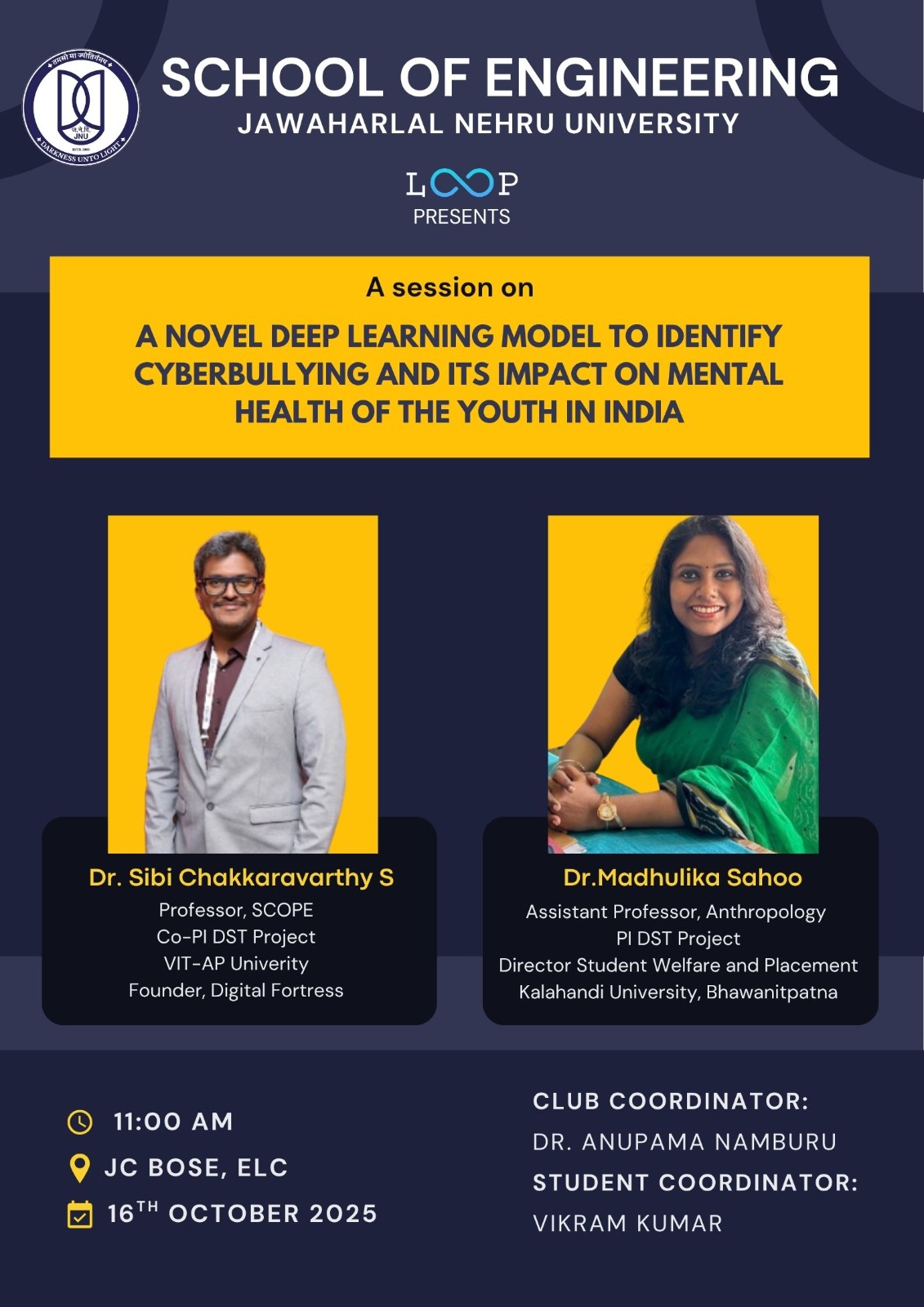
2025
October 16

JNU, Delhi

An advanced workshop presenting our latest Deep Learning models. We demonstrated how AI can be leveraged to identify subtle patterns of toxicity and provide real-time alerts to moderators.

  • Live demo of toxicity detection models.
  • Data privacy in the age of automated monitoring.
  • Collaborative research: Humans and AI in moderation.
Take the Survey

This survey is a vital component of the DST project led by Maa Manikeshwari University in collaboration with VIT-AP University. Your responses directly support research into the impact of cyberbullying on the mental health of Indian youth.

📋
8 pages · Takes approx. 10–15 minutes
🔒
Fully anonymous · Your identity is protected
🏛️
Govt. funded · DST/CSRI/2021/70, Ministry of Science & Technology
Voluntary · You may withdraw at any time
✉️
Queries: msahoo@kalahandiuniversity.ac.in
⚠️ Confidentiality clause: Your identity is protected and kept confidential. Data is securely saved and used only for project purposes — never for personal use.
Open Survey in Browser

About This Survey

Opens Google Forms in your browser for the best mobile experience. The survey is fully anonymous and takes 10–15 minutes.

🔒 Anonymous
📋 8 pages
✋ Voluntary
🏛️ Govt. funded
⚠️ Data is used solely for DST research purposes and kept strictly confidential.
docs.google.com/forms · DST Cyberbullying Survey

Join Our
Community

Get awareness updates, research findings, and safety tips delivered to your inbox. Together we can make the digital world safer for everyone.